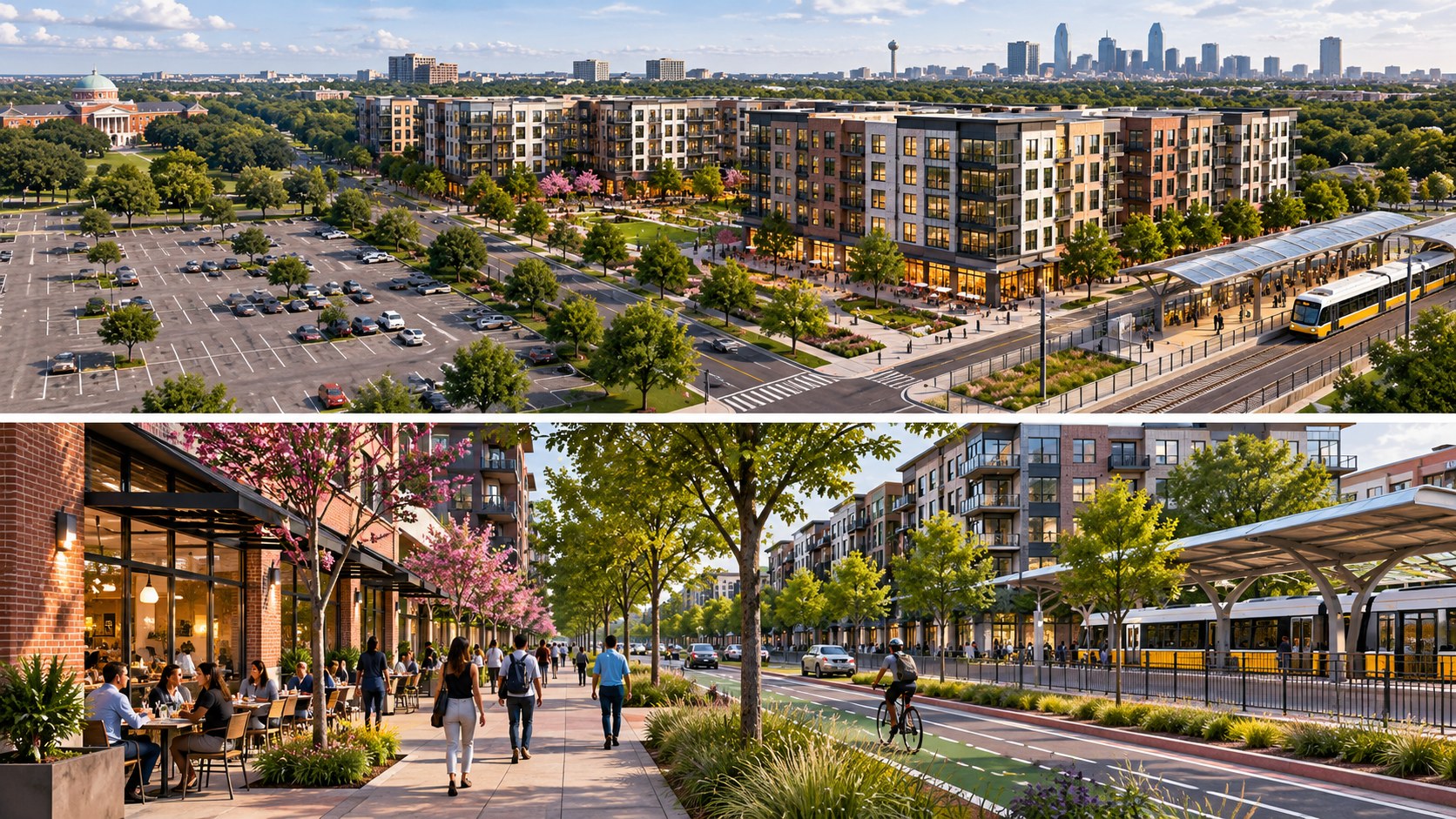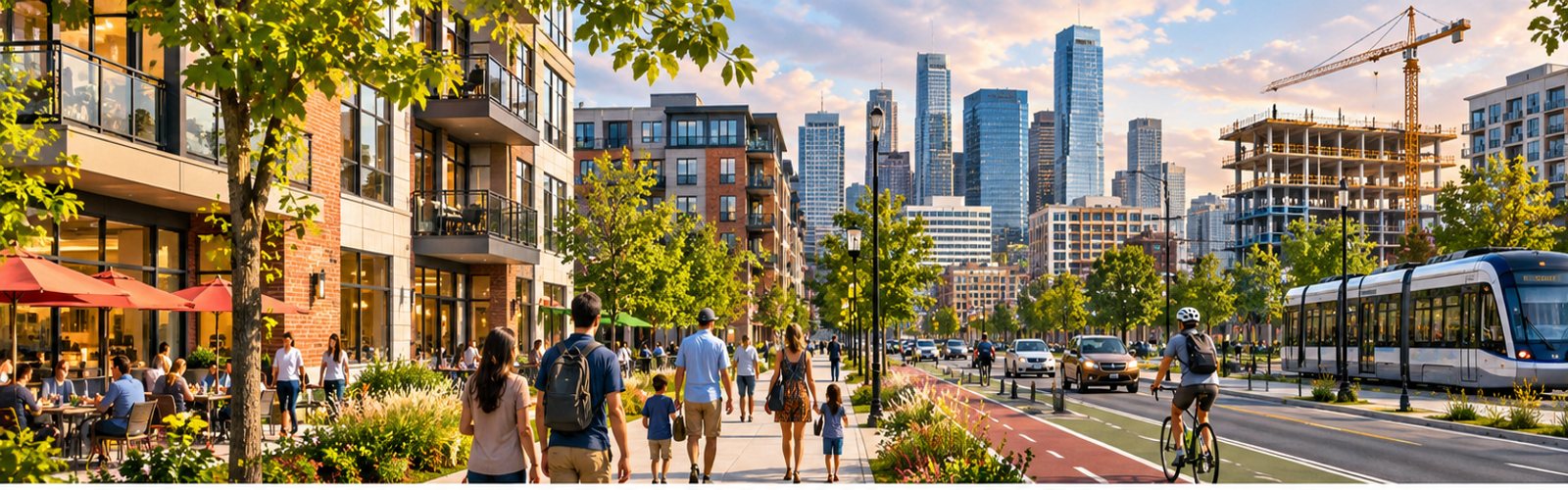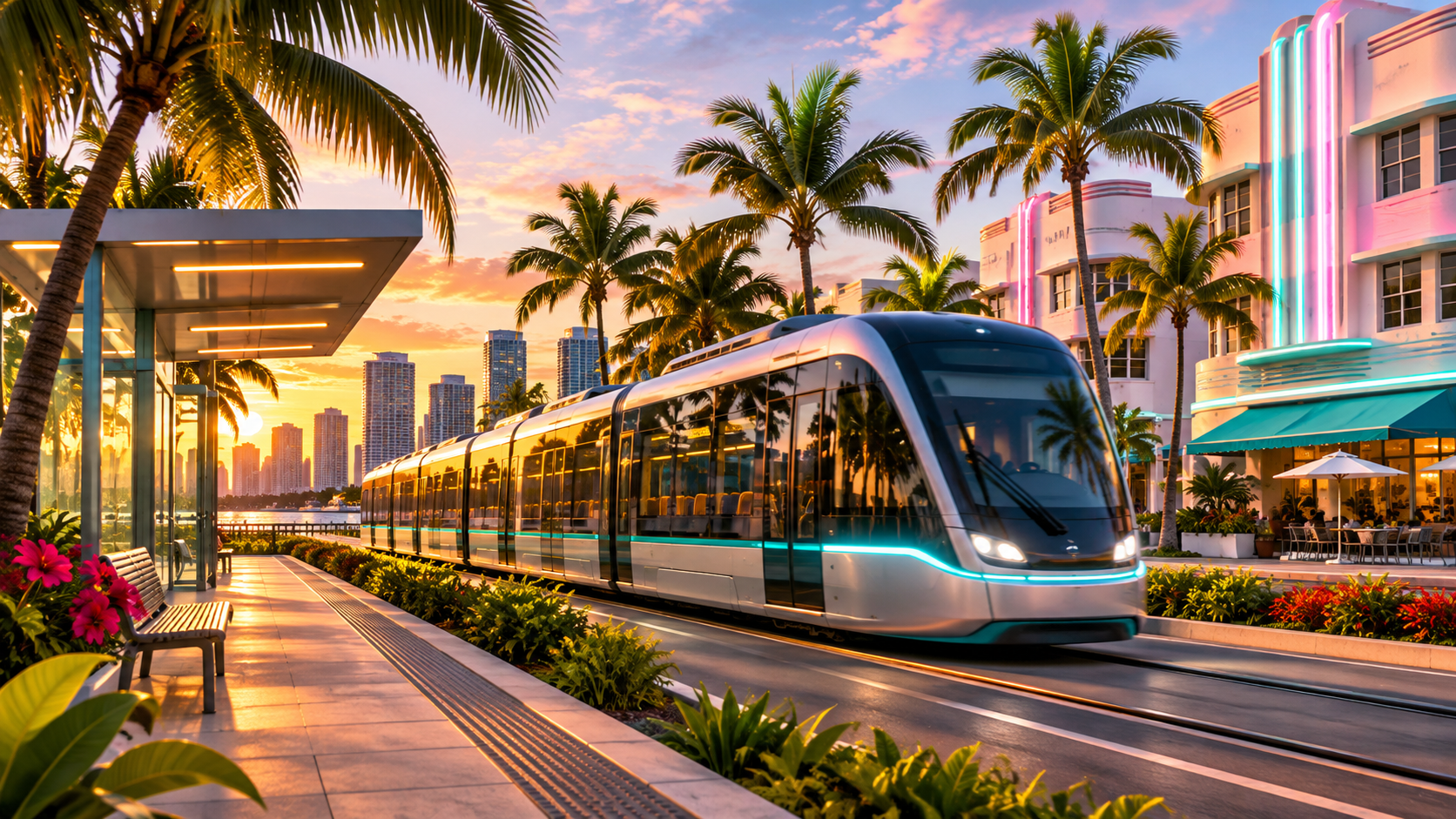
Miami-Dade’s Metro Express is demonstrating how electric buses, dedicated transit corridors and intelligent traffic systems could reshape suburban mobility and real estate development.

Miami is testing a different approach to urban transportation
For decades, metropolitan growth in South Florida has created a difficult transportation equation: additional housing and employment generate more travel demand, while expanding highways requires expensive land, construction and long-term maintenance.
Miami-Dade County is testing another approach. Its Metro Express electric bus rapid transit system began operating on October 27, 2025, connecting communities across southern Miami-Dade through a 20-mile dedicated transportation corridor. The system extends from Southwest 344th Street Park-and-Ride to Dadeland South Metrorail Station, connecting communities including Homestead, Florida City, Cutler Bay, Palmetto Bay and Pinecrest.
Unlike conventional bus services that operate primarily in mixed traffic, bus rapid transit combines dedicated infrastructure with operational technology intended to improve passenger movement and reliability. The important question is whether Miami can use this infrastructure to support a more connected metropolitan development pattern.
What the ridership data reveals

Between November 2025 and June 2026, reported monthly BRT ridership increased by approximately 29.5%. This comparison uses two complete calendar months and does not establish seasonally adjusted growth. These figures represent passenger trips, not unique individuals.
Reliability is the real infrastructure challenge

Metro Express improved its reported on-time performance by 44.2 percentage points between October 2025 and May 2026. Traffic signal adjustments, enforcement, scheduling and passenger education can influence how effectively infrastructure performs. Reliability is especially important for workers who must arrive at fixed times.
The technology behind Miami’s electric transit corridor

Battery-powered vehicles eliminate tailpipe emissions during electric operation. Dedicated lanes can reduce exposure to road congestion, while signal coordination and digital arrival displays can improve the passenger experience. Accessible platforms simplify boarding. Charging capacity, battery maintenance, utility reliability and emergency operating procedures become essential components of the system. Total environmental performance also depends on electricity generation and lifecycle maintenance.
Where development opportunities could emerge
Around selected stations, developers could evaluate multifamily housing, neighborhood retail, medical offices and mixed-use projects. Transportation proximity alone does not establish feasibility. Local zoning, flood exposure, insurance expenses, utility capacity, land acquisition costs and financing conditions remain important.
Five development policies worth evaluating
These are editorial alternatives, not adopted regulations: transit-oriented zoning overlays, reduced parking minimums, mixed-use zoning, affordable housing incentives and pedestrian infrastructure investment. Municipal governments should evaluate these options according to local market conditions and neighborhood needs. Miami should monitor housing costs and displacement alongside ridership.
U.S. Treasuries & Market Conditions Update
Draft observations as of November 27, 2026; dates differ by series. Verify all values before publication.

| Maturity | Nov 24 (%) | Nov 25 (%) |
|---|---|---|
| 1M | 4.21 | 4.27 |
| 3M | 4.36 | 4.34 |
| 6M | 4.46 | 4.44 |
| 1Y | 4.59 | 4.56 |
| 2Y | 4.63 | 4.61 |
| 3Y | 4.67 | 4.64 |
| 5Y | 4.69 | 4.65 |
| 7Y | 4.79 | 4.74 |
| 10Y | 4.91 | 4.85 |
| 30Y | 5.30 | 5.24 |
Declining longer-term Treasury yields could provide some relief for fixed-rate borrowers. Municipal bond financing also depends on credit quality, bond structure and market spreads.

The reported spread is +24 basis points on November 25, down from +28 the preceding day. This segment remains positively sloped but flattened.

The draft reports VIX at 26.36 on November 24. VIX measures equity options-implied volatility, not real estate performance.

The draft reports SOFR at 3.94% on November 24, attributed to a secondary source. SOFR influences floating-rate commercial financing but is not a consumer mortgage rate.
U.S. mortgage rates update

The supplied draft reports 30-year fixed rates at 7.21% and 15-year fixed rates at 6.54% for November 25. Freddie Mac averages are survey averages, not borrower-specific quotes. For a $450,000 home with 20% down, a lower rate reduces principal and interest payments; taxes, insurance and fees remain additional costs.
The YourbanPulse perspective
The future of transportation infrastructure should be measured through reliable journeys, access to employment, household transportation expenses, environmental performance and development opportunities. South Dade’s early reported improvements are encouraging. The next test is whether they can be sustained while surrounding communities become more accessible and economically inclusive. In appropriate corridors, well-designed bus rapid transit can become an important component of metropolitan growth.
YourbanPulse — Feel the PULSE of your CITY.
Sources for review
Miami-Dade Metro Express · U.S. Treasury · FRED spread · VIX · SOFR · Freddie Mac